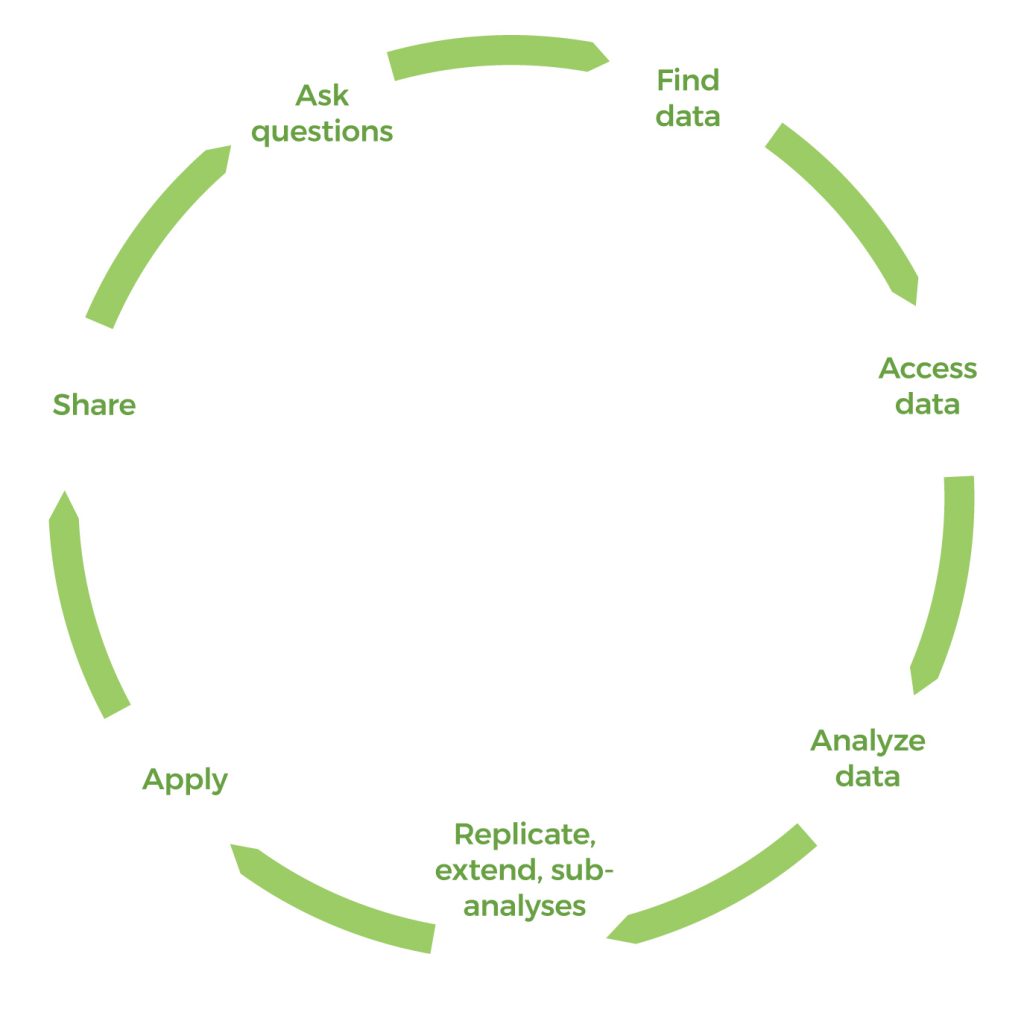
- Establish rigorous scientific collaborations
- Develop the right questions
- Curate, aggregate, harmonize patient data
- Combine advanced data science with unparalleled understanding of drug development, pathophysiology and natural history
- Publish, communicate, apply and iterate on findings
cTAP captures the recognized and well-documented benefits that can be achieved by organizing as a consortium to solve big challenges while at the same time avoiding the pitfalls the consortium model can present.
cTAP’s scientific operating model ensures an objective process that is impact-focused and nimble. cTAP convenes input from patient organizations, academics, industry, and regulatory stakeholders to prioritizes goals based on the most critical needs for clinical research and evaluation. Project teams comprising these stakeholders work together throughout projects to discuss challenges, emerging findings, and opportunities to iterate and improve. Analytic results, and not raw data, are shared as soon as possible within the consortium while findings are validated across data sources and ultimately published for public use.
cTAP keeps the focus on the goals that matter most: high quality patient data science and actionable insights that enable better research for all.
The Duchenne community had been prescient in developing a wealth of natural history. But before cTAP, these data were curated and analyzed within silos; the field lacked effective mechanisms for bringing datasets together across clinical networks.
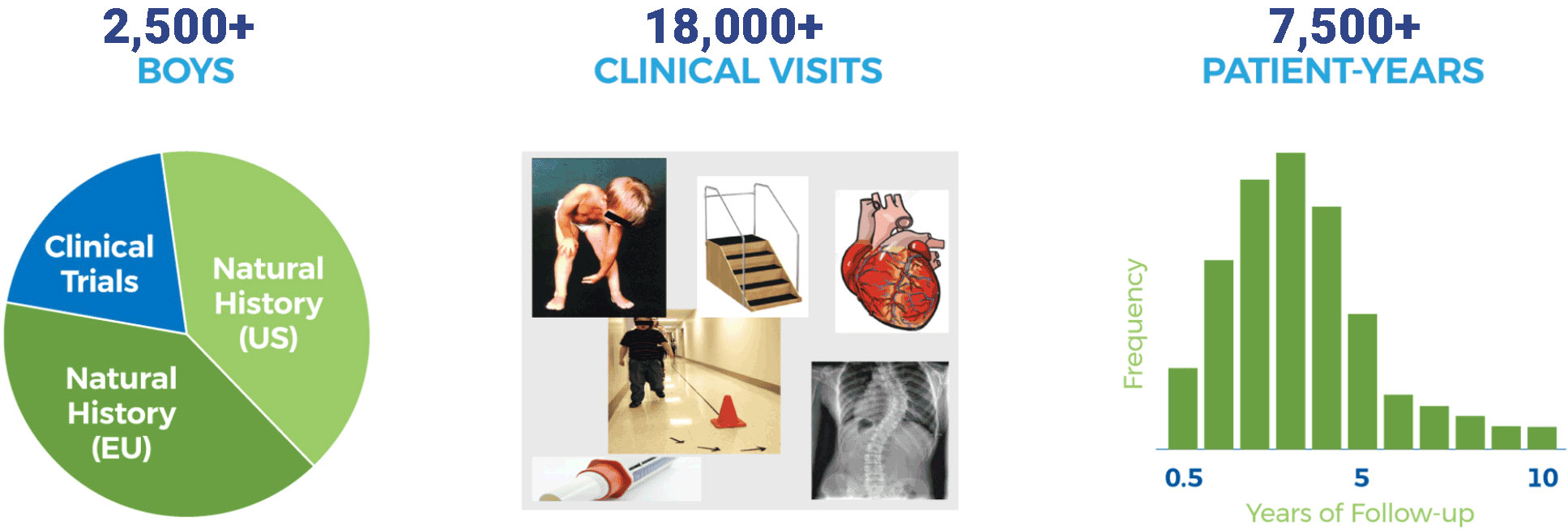
cTAP helped clinical centers, clinical registries, patient organizations, and industry sponsors of clinical trials to share de-identified individual patient clinical data. The cTAP-Duchenne collaboration initiative has markedly accelerated the cycle-time between idea, analysis, and results by providing:
- a secure data repository and data harmonization for all cTAP collaborators
- a collaborative analytics platform to mine de-identified patient data in real time
- a simple and equitable means of disseminating pre-publication results and findings to multiple drug developers simultaneously
This large and growing database of patient outcomes in Duchenne enables cTAP to:
- discover in one database source, replicate in others
- conduct Individual patient level analyses as well as analyses on cohorts
- analyze longitudinal trajectories as well as cross-sectional data
- compare analytic results across geographies, clinical practice versus clinical studies, natural history versus placebo
- develop consensus models from aggregated, pooled data
Read the latest
News, press and peer-reviewed publications by cTAP collaborators